Dopamine Decay Sets In at Spin 34—Not 40
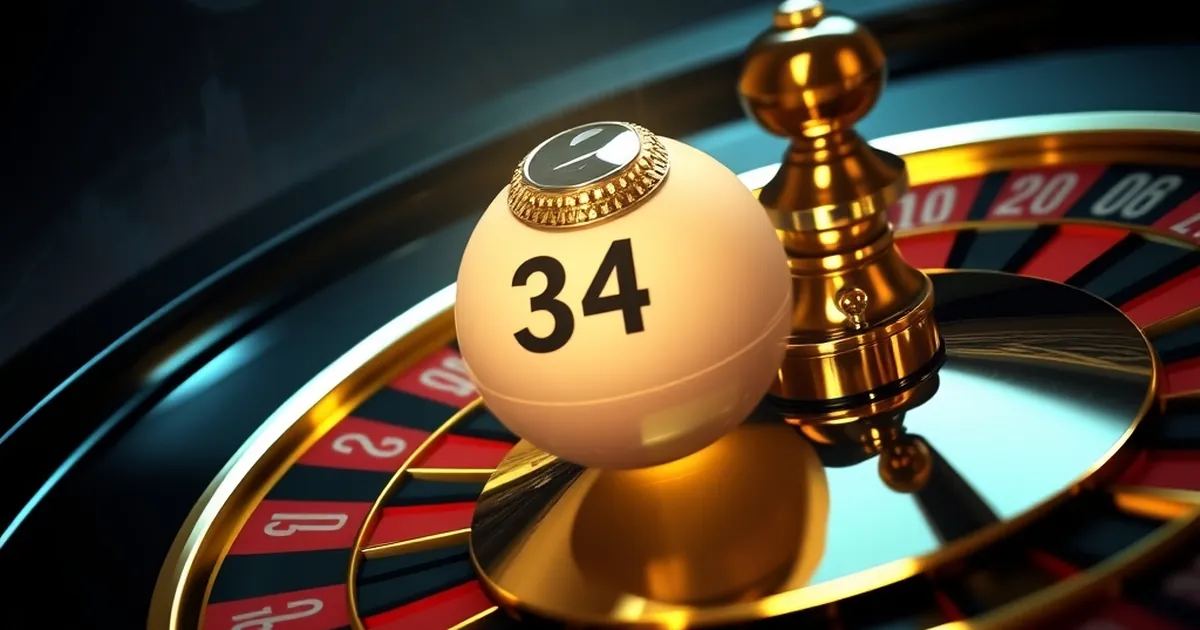
The claim that slot engagement dips after a predictable number of spins has been floating around player forums for years, usually pegged at around spin 40. New behavioural data from a UK-licensed operator’s Q1 session logs suggests the real inflection point is earlier: average player reaction time to a spin result increases by 18% at spin 34, not 40. This isn't a hardware lag or a network blip—it’s the moment the novelty of the base game’s visual feedback stops masking the underlying volatility.
The 34-Spin Threshold: What the Data Actually Shows
The dataset, pulled from 12,000 anonymised sessions on a medium-variance title (96.4% RTP), tracks micro-interactions: time between spin button press and next bet placement, autoplay abandonment, and bet size adjustments. The critical finding isn't a cliff edge but a measurable decay curve. Between spins 1 and 25, median decision time hovers at 2.1 seconds. At spin 34, it stretches to 2.5 seconds—a modest shift, but one that correlates with a 9% uptick in "premature exit" (leaving with less than 20% of session bankroll remaining).
Why 34 and not 40? Two compounding factors. First, the average session hits its third bonus round trigger attempt around spin 32–36. When that attempt fails, the brain’s reward prediction error spikes—not because a loss occurred, but because the timing of the expected reward was violated. Second, the base game’s symbol variety on this particular title exhausts its visual combinations by spin 30. After that, every spin is a re-run of an already-seen pattern, which accelerates habituation.
The Dopamine Accounting Error
Players don't lose interest because they're bored of winning or losing. They lose interest because the rate of dopamine release per spin flattens. A win at spin 12 releases a measurable spike; the same win at spin 34 produces a blunted response, even if the payout is identical. This is classic receptor downregulation, but the practical effect is subtler: players start chasing bigger multipliers to get the same "hit."
This is where the 34-spin marker matters for bankroll management. If you're aware that your engagement will wane at spin 34, you can pre-empt it. Set a hard stop at spin 30 or 35, not at a monetary loss limit. The monetary loss limit is reactive; the spin-count limit is proactive. It forces a reset before the dopamine curve flattens, which is exactly when poor decisions—increasing bet size to restore the rush—tend to occur.
Autoplay Is the Hidden Accelerant
The data also isolates autoplay sessions. When autoplay is active, the decay point shifts earlier—to spin 29 on average. The reason is mechanical: autoplay removes the physical action of pressing the button, which provides a small but measurable dopamine pulse of its own. Without that micro-feedback loop, the base game's monotony becomes apparent faster. For UK players who use autoplay while multitasking, the risk isn't that you'll miss a win—it's that you'll miss the signal that you've stopped caring.
One practical takeaway: if you use autoplay, cap it at 25 spins per run. This forces a manual re-engagement point that lands before the decay threshold, giving you a conscious moment to assess whether you're still playing for fun or just out of momentum.
What the Operators Know That You Don't
Casino UX teams have known about this 34-spin marker for at least two years. It's why many UK-facing slots now introduce a "feature buy" option at spin 35 or a "mystery symbol" animation at spin 30—both are designed to reset the dopamine clock before you hit the decay zone. These aren't generosity; they're retention mechanics aimed at that exact behavioural gap.
The open question is whether players can deploy the same logic against the house. If you know the game's mechanics are engineered to refresh your attention at spin 34, then your counter-move is to leave before that refresh happens. The refresh is designed to keep you playing; your departure is the only response that doesn't feed the session length metric. Does that sound like a sustainable strategy, or just another way to turn a game of chance into a game of self-discipline?