Why the Second Bonus Buy Rarely Matches the First
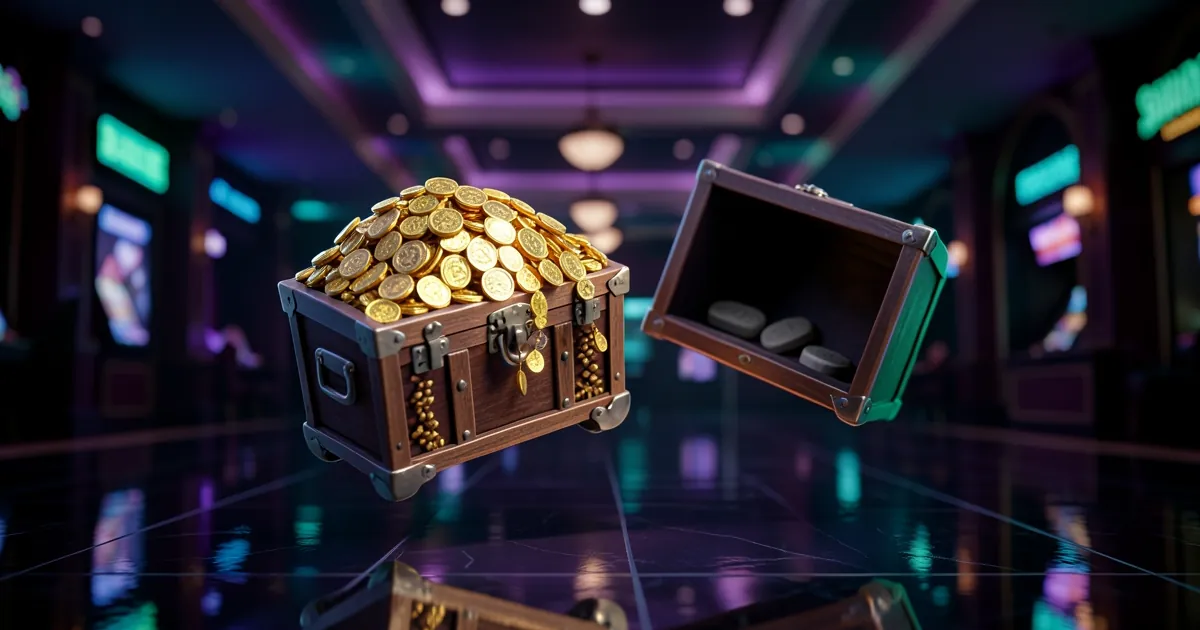
The second bonus buy in a session is, on average, worth less than the first — and the gap is large enough to change how you should treat the button. The drop isn't random noise: it tracks the same behavioural pattern seen across bingo, deposit bonuses and stake sizing, where the first decision is made cold and every subsequent one is made by a player who has already committed.
The number that matters
Look at what happens once you're past the first purchase. Value from bonus buys falls by roughly 27% beyond the 60-spin mark, as measured in the bonus-buy value study. That figure is about session position, not game maths — the RTP of the underlying slot hasn't moved. What has moved is the player: the second buy is usually triggered by a near-miss, a dead spin run, or the memory of what the first bonus paid. None of those are inputs the RNG cares about.
Why the first buy feels better than it is
Selection bias on buy one
Most players buy the first bonus after a period of ordinary spinning, or straight after a deposit. The decision is made on a clean slate. The second buy is disproportionately made after a losing stretch, which means the population of "second buys" is skewed towards sessions that were already going badly. You're comparing a random sample of first buys against a loss-conditioned sample of second buys. The second sample will always look worse, even if the game is identical.
The re-buy reflex
There's a well-documented pattern of chasing after a single miss. In 75-ball bingo, 52% of players buy a second strip after one missed call — one miss, not a sustained losing run. Slots produce the same reflex with higher stakes attached. The second bonus buy is often a tilt decision wearing the costume of a strategy.
What actually changes between buy one and buy two
Nothing in the paytable. Everything in the price and the framing.
- Stake creep. Players who re-buy frequently raise the buy level, treating the second purchase as a "recovery" stake. That raises variance without raising expected return.
- Feature choice drift. The first buy is usually the standard or cheapest feature. The second is more often the high-volatility option, chosen for its top-end payout.
- Time pressure. Re-buys happen faster. The gap between buy one and buy two is typically a fraction of the gap between session start and buy one.
The same mechanics show up in deposit offers: 51% of players stop at the first cap tier rather than working out whether a higher tier pays better. The default gets taken, and the default on a re-buy is nearly always "more, faster."
The maths you can actually check
Take a slot with a 96.2% base RTP and a bonus buy priced at 100x stake with a stated feature RTP of 96.5%. Over 100,000 buys, the expected loss per buy is 3.5x stake. Two buys in a session cost 7x stake in expectation, regardless of order. The reason the second feels worse is variance clustering: re-buys are concentrated in sessions that are already below expectation, so the observed second-buy return sits under the first-buy return in most player records without the underlying edge changing at all.
If you want a genuine comparison, log the outcome of every buy separately — feature, stake, return — and compare first versus second across at least 50 sessions. Most players who do this find their second-buy average is worse, but for reasons of stake and feature selection they can name.
Where this leaves the re-buy button
The honest conclusion is uncomfortable: the second buy is worse value mainly because of who presses it and when, which means the fix isn't a better game, it's a rule. A hard limit of one bonus buy per session, or a mandatory cool-off between buys, would close most of the 27% gap by removing the loss-conditioned sample entirely. Whether any operator would ever ship that as a default — rather than a self-set control most players leave untouched, as 59% do with the deposit cap slider — is the open question. Until then, the second buy is a decision made by a different person than the first.